with the 4 arrow keys, Discover The Bordus
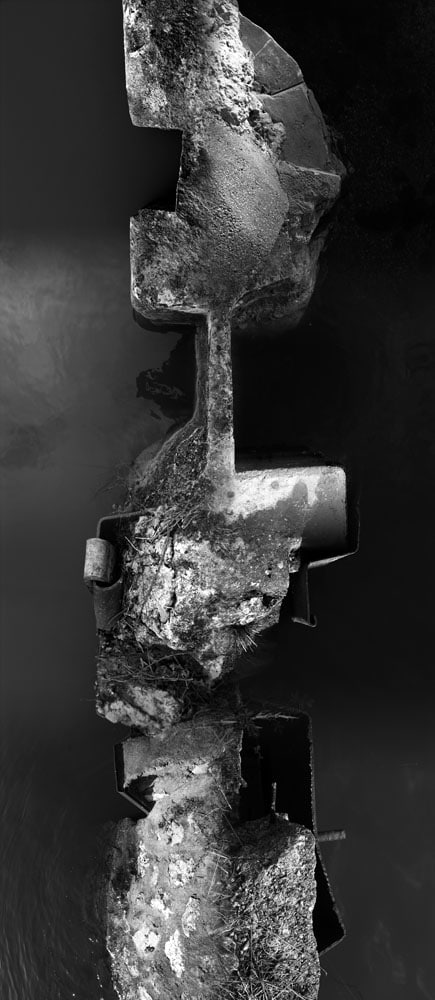
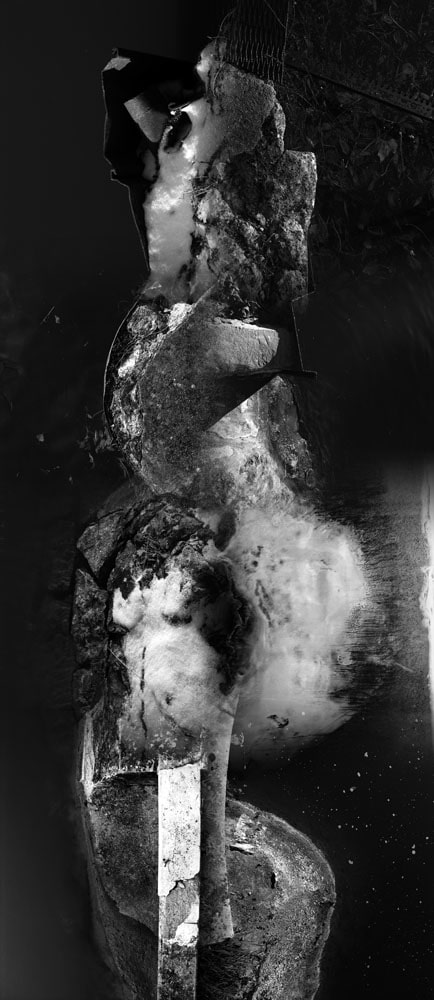
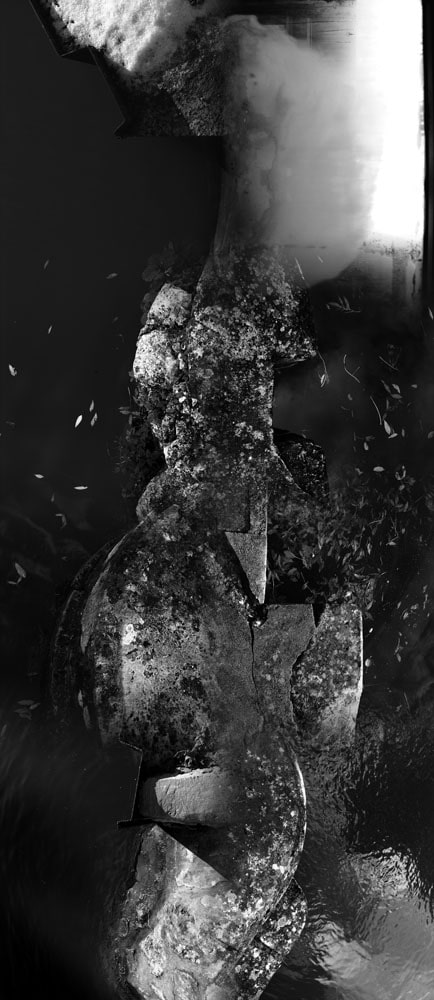
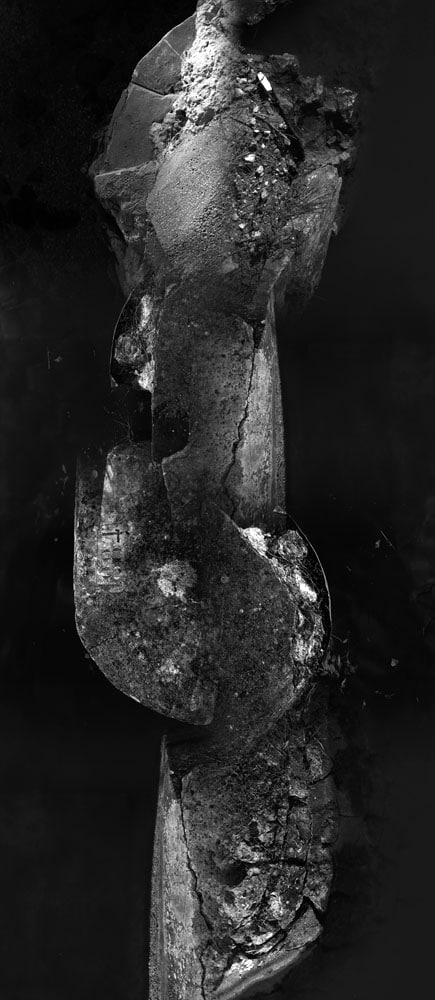
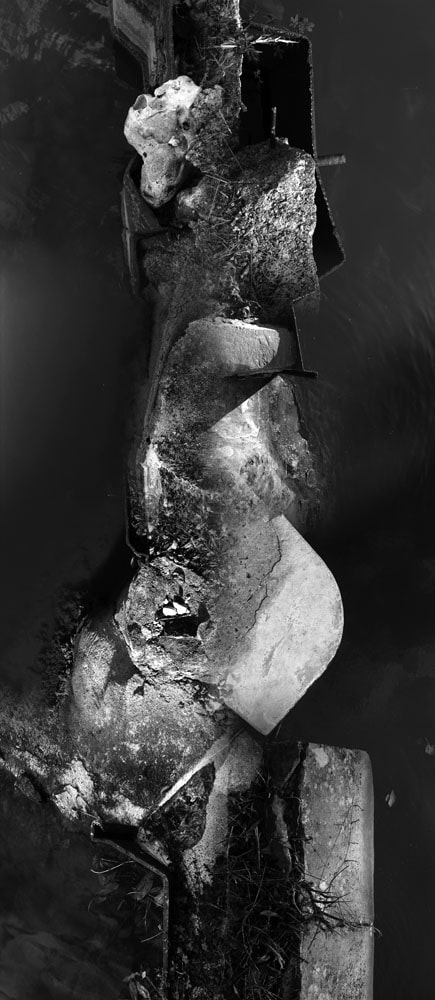
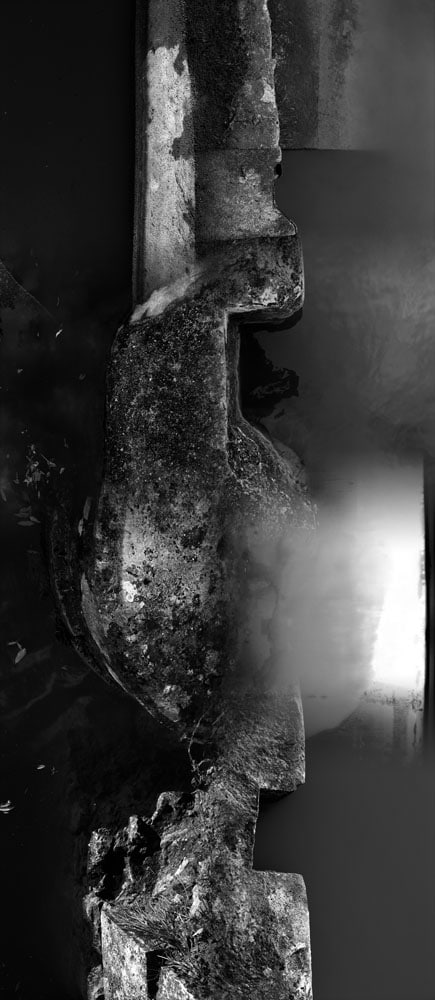
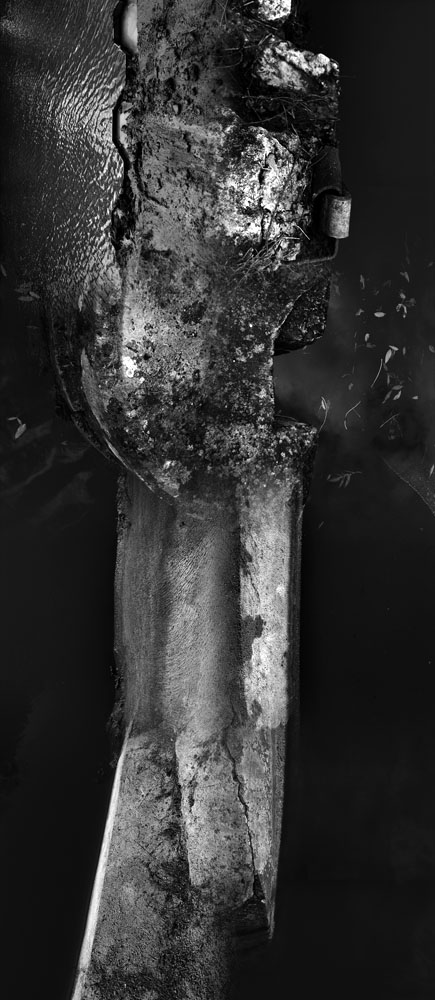
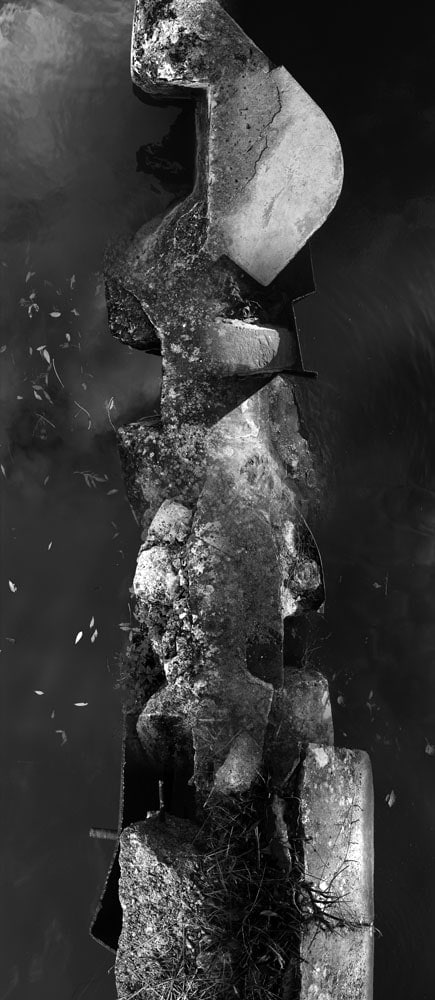
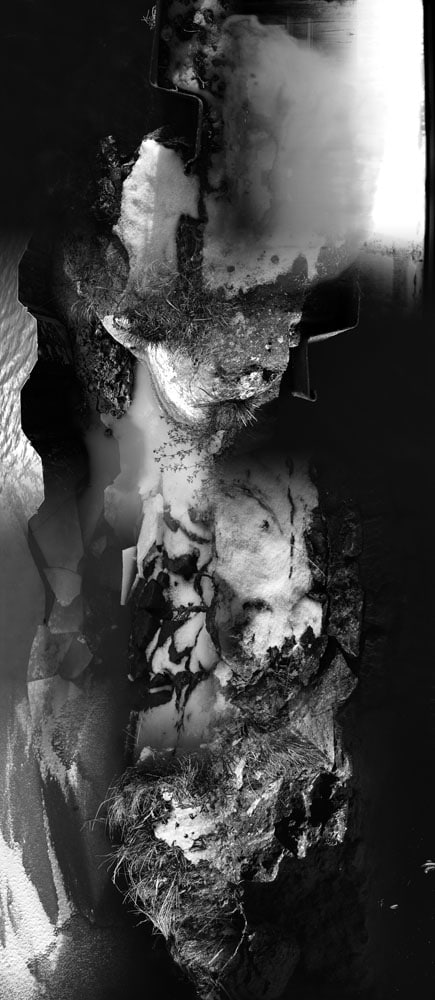
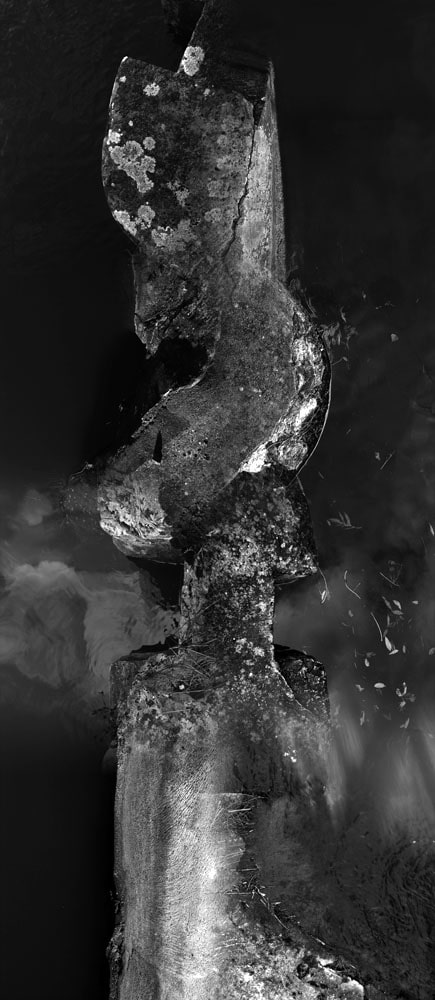
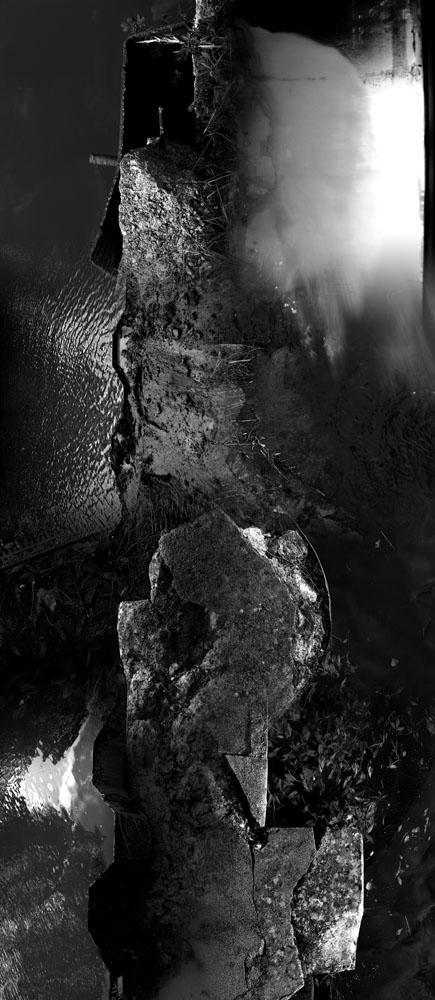
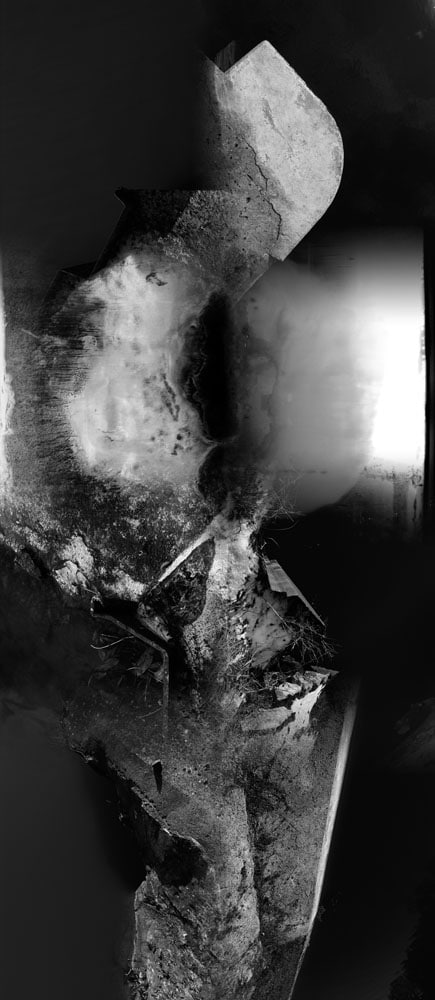
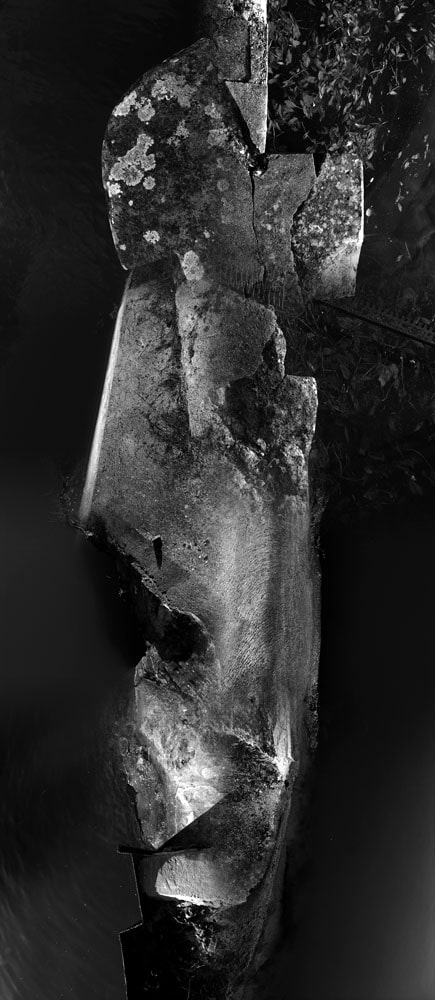
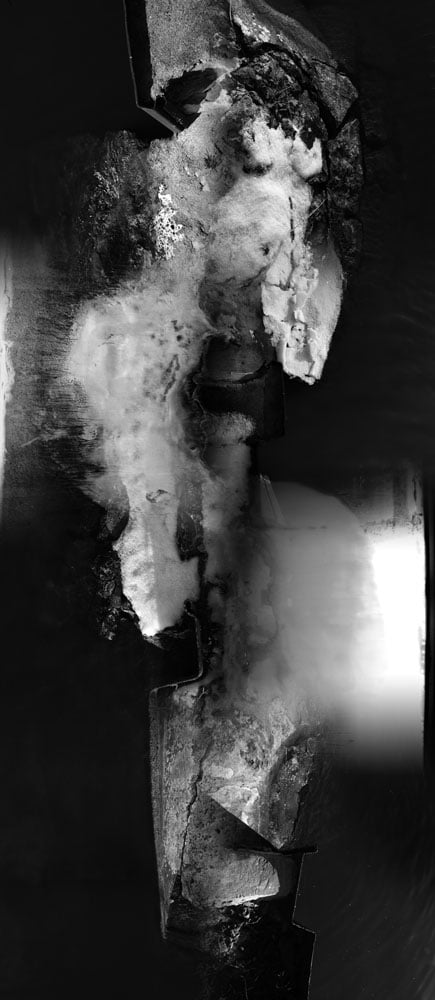
You call that bordu. That’s well spotted. And it’s not illogical, since you’re the one who took the photograph. Because everything begins with a photo, with a walk along the edge of the bordu. Afterwards, thanks to technical magic, it makes I don’t remember how many thousands of photos, but it’s always the same landscape. And that’s what I like, a lot.
We are always on the edge of something: a river, an abyss, tears, madness, the grave. You, if I’ve understood correctly, would first be on the edge of a canal. Whether it’s the Briare Canal rather than the Saint-Martin Canal changes nothing; it’s a navigable way, and this one dates from the time when kings were redefining the landscape by planting trees. And then the water flows there, not very fast, so much the better; no one should forget that this image sends us back to the river (to time) of old Heraclitus. It also goes without saying that it’s a bit like you to make do with what you have at hand.
A bordu is no doubt a little more than an edge and a little less than a border. If the border is what lies at the edge and extends alongside it, the bordu would be what encrusts itself right there. By force of circumstance, it would also be the boundary or the fold where the photo articulates itself, as in a mirror.
I said that, to my eyes, it was landscape. By that I mean something essential: the paesaggio that I myself am, crossed by it and crossing it. Rarely have I felt such an immediate impression of knowing where I am while being absolutely lost, without bearings, in the repetition of the same and in the permanent difference, suspended between the material and the immaterial, set at a small or a large scale.
In a singular sense, one could speak of a Symbolist opus, but with no other mystery than an excess of reality. “symbolon” originally was a sign of recognition, an object cut in two of which two hosts each kept one half, which they passed on to their children, and whose two parts assembled made it possible to prove ancestral relations of hospitality; then, beyond that, it came to designate any sign of recognition. “symbolê” means adjustment, fitting together, joining; I can’t help it, I fall once again on the Shakespearean out of joint, time disoriented—so here, whatever the intention, an attempt to rejoin, to bring together the two halves of a whole as in a diptych, better still, these two halves ready to fold back onto one another like the Tuscan shutters of old, where martyrs and saints once flourished.
There is a relative infinity here that sets itself in motion from next to nothing: a tuft of grass, or a piece of plank, or concrete. From each image, one could imagine stories. The whole would end up making you dizzy. But in the end, what I take from it is its beauty. Yes, I insist: a beauty that touches me deeply, at once Neolithic and modern, that imposes itself—a beauty; why complicate life with other words.
Bernard Chambaz 2006
The Bordus-Totem